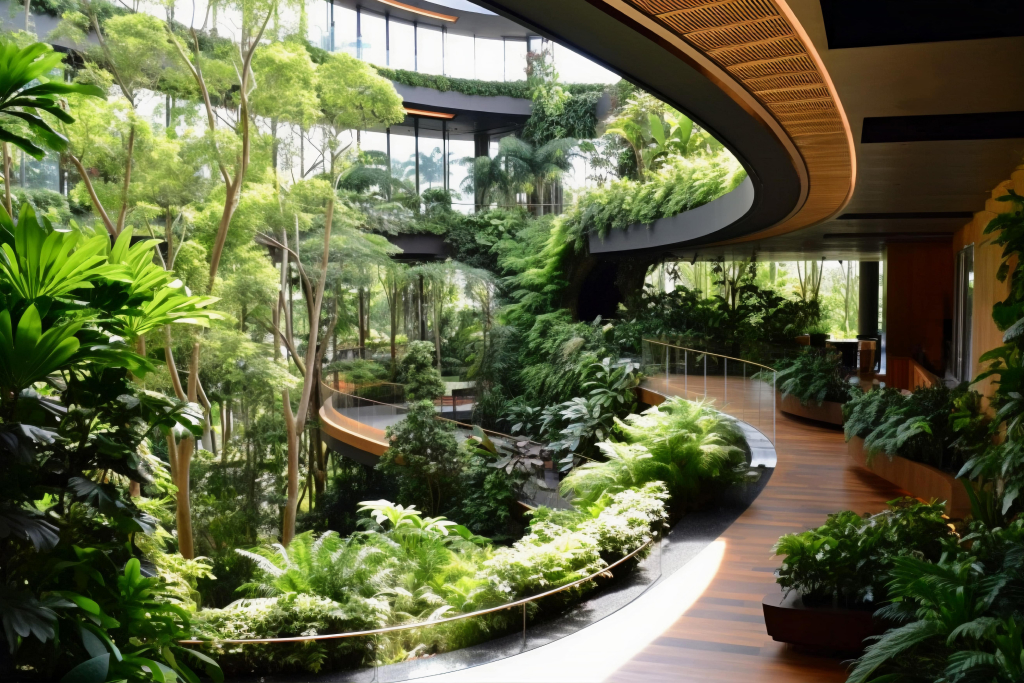
In an era where environmental responsibility is paramount, commercial landscaping in Henderson, Colorado, is rapidly evolving. Businesses are increasingly recognizing that sustainable practices not only benefit the environment but also enhance their brand’s appeal and reduce long-term costs. This comprehensive guide explores the materials, methods, and maintenance strategies that can help create sustainable commercial landscapes in Henderson. By focusing on eco-friendly aggregates, recycled materials, and drought-resistant options, businesses can build landscapes that are both beautiful and environmentally responsible.
When considering sustainable landscaping materials, it’s essential to choose resources that minimize environmental impact. Eco-friendly aggregates and recycled materials are at the forefront of sustainable landscaping. Options such as wholesale bark mulch in Henderson and Westminster not only provide aesthetic value but also improve soil health and moisture retention.
Eco-friendly aggregates—like recycled concrete, glass, and stone—are critical in reducing the carbon footprint of commercial landscaping. These materials can be sourced from local suppliers, such as Pillar Aggregates, which helps to decrease transportation emissions. Additionally, incorporating eco-friendly aggregates can enhance soil structure, promote biodiversity, and improve water retention in landscapes.
Utilizing recycled materials in landscaping not only conserves natural resources but also reduces landfill waste. For instance, using recycled rubber mulch can offer a durable, low-maintenance solution that is also visually appealing. By sourcing these materials from reputable suppliers like Pillar Aggregates, businesses can ensure they are making sustainable choices that reflect their commitment to environmental stewardship.
Given Henderson’s semi-arid climate, choosing drought-resistant aggregates and mulches is crucial for conserving water in commercial landscapes. These materials can significantly reduce irrigation needs and improve plant resilience during dry spells.
Some effective drought-resistant options include:

By implementing drought-resistant materials, businesses can enjoy lower water bills, reduced maintenance costs, and a smaller environmental footprint. Such strategies are vital for creating commercial landscapes that are both sustainable and resilient.
Investing sustainable materials may require a higher initial outlay, but the long-term financial benefits can be substantial. By choosing eco-friendly options, businesses can save money in various ways.
Sustainable landscaping materials often require less maintenance. For example, using permeable pavers and native plants can lead to lower upkeep costs. Additionally, materials that promote healthy soil can reduce the need for chemical fertilizers and pesticides.
Landscaping that prioritizes sustainability can enhance property values. Businesses that invest in attractive, eco-friendly landscapes often see a return on investment through increased customer interest and satisfaction.
Sourcing landscaping materials locally not only supports the community but also significantly reduces transportation emissions. By partnering with Pillar Aggregates, businesses can access a wide range of sustainable materials without the environmental costs associated with long-distance shipping.
Local sourcing can also be more cost-effective. Businesses can save on shipping fees and reduce the time associated with logistics, ultimately lowering overall project costs.
Effective stormwater management is a crucial aspect of sustainable landscaping. Designing landscapes with stormwater features can mitigate flooding, reduce erosion, and improve water quality.
Strategies such as rain gardens, bioswales, and permeable pavements can manage stormwater effectively. These features not only control runoff but also enhance the aesthetic appeal of commercial landscapes.
Implementing these strategies can help businesses comply with local regulations and avoid costly fines. Furthermore, well-designed landscapes that manage stormwater effectively can increase ecological benefits and improve overall sustainability.
Many businesses are now seeking sustainability certifications to enhance their credibility and appeal to eco-conscious consumers. The selection of landscaping materials can play a significant role in achieving these certifications.
Choosing sustainable materials such as those available from Pillar Aggregates can contribute to earning these certifications, showcasing a commitment to environmental responsibility.
For businesses aiming to maintain curb appeal without excessive upkeep, low-maintenance materials are crucial. These materials help meet sustainability goals while reducing labor costs.
Low-maintenance materials can be both attractive and sustainable, supporting a business’s image while aligning with environmental goals.
Proper planning is essential for large-scale landscaping projects to minimize waste. Smart material planning involves selecting the right quantities and types of materials to avoid excess.
By minimizing waste, businesses can lower disposal costs and enhance their sustainability profile. This approach also aligns with eco-friendly practices, contributing to the overall success of commercial landscaping projects.
Pillar Aggregates is dedicated to providing businesses in Henderson with high-quality, sustainable landscaping materials. From wholesale bark mulch to eco-friendly aggregates, Pillar Aggregates offers a comprehensive range of products that support environmentally responsible landscaping.
Pillar Aggregates prioritizes sustainability by sourcing local materials and promoting practices that reduce environmental impact. By partnering with them, businesses can ensure they are making choices that positively affect both their bottom line and the planet.
The team at Pillar Aggregates is well-versed in sustainable landscaping practices and can provide valuable insights and recommendations for businesses looking to enhance their landscaping projects. By leveraging their expertise, businesses can create landscapes that are not only stunning but also sustainable.
Create an eco-friendly, low-maintenance landscape that reflects your commitment to environmental responsibility. Pillar Aggregates offers premium sustainable products and expert guidance to help you build smarter, greener outdoor spaces. Reach out now for customized material recommendations.
Sustainable materials include eco-friendly aggregates, recycled materials, native plants, and drought-resistant mulches, all of which can enhance environmental performance.
Local sourcing reduces transportation emissions, supports local economies, and often results in cost savings for businesses.
Drought-resistant landscapes conserve water, reduce maintenance costs, and are more resilient to climate variability.
By choosing eco-friendly materials and implementing sustainable practices, businesses can qualify for certifications like LEED and SITES.
Smart material planning minimizes waste, lowers disposal costs, and ensures that materials are used efficiently, contributing to a more sustainable landscaping project.