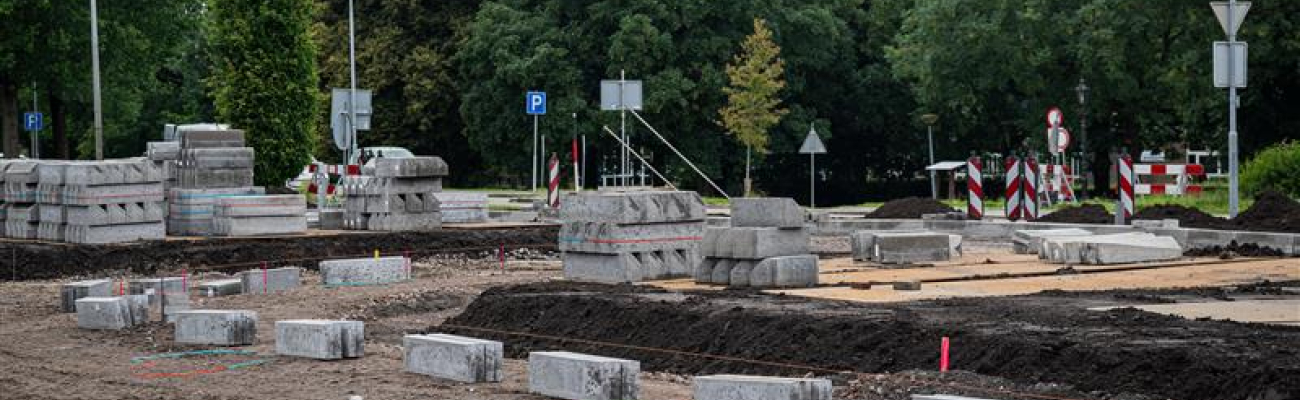
Comprehensive Guide to Commercial Hardscape & Site Infrastructure
Creating a thriving outdoor environment in commercial spaces requires more than just plants and grass. Hardscaping—the use of non-plant elements such as stone, concrete, and wood—plays a crucial role in the aesthetics, functionality, and durability of commercial landscapes. Understanding the various components, installation techniques, and maintenance needs of commercial hardscape is essential for contractors, property managers, and business owners alike. In this guide, we will explore everything you need to know about commercial hardscape and site infrastructure, from product choices to maintenance and coordination with other landscape features.
What Are the Most Common Hardscape Elements in Commercial Landscaping?
When considering commercial hardscape, a variety of elements can be utilized to enhance functionality and aesthetics. Here are some of the most common components:
Paving Stones and Brick: Used for walkways, plazas, and parking lots, these materials are durable and can withstand heavy foot traffic.
RetainingWalls: These structures are essential for managing slopes and preventing erosion while creating visually appealing spaces.
Patios and Decks: Ideal for outdoor seating areas, they can be constructed from various materials, including wood, composite, or stone.
Fencing and Edging: Used to define spaces or provide privacy, these elements can be functional and decorative.
Planters and Raised Beds: These structures not only add greenery but can also serve as barriers or define outdoor spaces.
By incorporating these elements, commercial landscapes can achieve a balance of beauty and practicality.
How Do Product Choices Differ from Commercial vs. Residential Applications?
When selecting hardscaping materials for commercial versus residential applications, several significant differences emerge:
Durability: Commercial hardscapes must withstand higher levels of foot traffic and heavier loads. Therefore, materials such as reinforced concrete and high-grade pavers are often preferred over those used in residential settings.
Aesthetic Flexibility: While residential hardscapes might prioritize personal aesthetic preferences, commercial landscapes often focus on cohesive branding and visual appeal that enhances the overall business image.
Regulatory Compliance: Commercial projects must adhere to stricter building codes and regulations, including safety, accessibility (ADA compliance), and environmental considerations that may not apply to residential properties.
In essence, commercial hardscaping prioritizes longevity and functionality while still allowing for aesthetic appeal.
Key Installation Considerations for Commercial Hardscapes
To ensure the success of a commercial hardscape project, several key installation considerations must be considered:
Site Assessment: Conducting a thorough site assessment is crucial. Factors such as soil type, drainage patterns, and existing vegetation can influence material selection and installation techniques.
Load-Bearing Capacity: Understanding the load-bearing requirements is essential, especially for areas that will experience heavy foot or vehicle traffic. Proper sub-base preparation is critical to prevent settling and cracking.
Weather and Climate: In regions like Henderson, CO, where temperature fluctuations can be significant, choosing materials that can withstand extreme weather conditions is vital. This includes selecting freeze-thaw resistant products and incorporating proper drainage solutions.
By paying attention to these aspects during installation, contractors can ensure that the hardscape remains functional and visually appealing for years to come.
Optimizing Hardscape Layout and Longevity
The layout of hardscaping elements can significantly affect both functionality and aesthetics. Here are some strategies for optimizing hardscape design:
Zoning: Divide the space into distinct zones for different activities, such as dining, walking, and relaxation. This helps to create a natural flow and enhances user experience.
Material Selection: Choose materials that not only match the aesthetic but also have longevity in mind. For instance, high-density pavers or permeable paving can enhance durability and drainage.
Regular Maintenance: Implementing a routine maintenance schedule, includingcleaningand sealing surfaces, can extend the life of hardscape elements and preserve their appearance.
Investing time in thoughtful layout and material selection can yield significant returns in terms of both utility and longevity.
Maintenance Needs for Hardscaping in Commercial Landscapes
Maintaining hardscaping is essential for preserving both functionality and appearance. Key maintenance tasks include:
Regular Cleaning: Debris like leaves and dirt can accumulate, leading to staining and degradation over time. Regular sweeping and power washing can helpmaintaina clean appearance.
Weed Control: Weeds can undermine the aesthetic and structural integrity of hardscapes. Regularly inspecting andtreatingweeds is essential.
Repair and Replacement: Over time, some elements may become damaged. Prompt repairs can prevent further deterioration andmaintainsafety.
By prioritizing these maintenance tasks, property managers can ensure their hardscapes remain in optimal condition.
How Buying Wholesale Hardscaping Supplies Saves Money
Purchasing hardscaping supplies at wholesale prices can significantly reduce costs for contractors and clients. Here’s how:
Bulk Pricing: Wholesale suppliers often provide discounts for bulk purchases, which can lead tosubstantialsavings on large projects.
Reduced Overhead: By working directly with suppliers, contractors can reduce the markup that comes from retail purchases, providing more competitive pricing for clients.
Access to a Wide Range of Products: Wholesale suppliers typically offer a broader selection of materials, allowing contractors to choose the best options without being limited by retail stock.
When planning a commercial hardscape project, considering wholesale options can lead to significant financial benefits.
Importance of Coordination with Irrigation, Lighting, and Storm-Water Management
Effective coordination with other landscape elements is vital for a successful hardscape design. Here’s why:
Irrigation: Integrating irrigation systems with hardscape elements can enhance plant health and ensure proper water distribution while avoiding damage to hardscaping features.
Lighting: Proper landscape lighting not only enhances aesthetics but also improves safety. Careful planning can prevent conflicts with hardscape elements, ensuring a cohesive design.
Storm-Water Management: Incorporating effective drainage solutions is essential to prevent flooding and erosion. Hardscape elements should be designed with stormwater considerations in mind to protect both the hardscape and surrounding areas.
By ensuring these components are harmoniously integrated, commercial landscapes can function more effectively while enhancing safety and aesthetics.
Safety and Accessibility Requirements for Commercial Hardscape
Commercial hardscapes must adhere to safety and accessibility standards, including:
ADA Compliance: Hardscapes must be designed to accommodate individuals with disabilities, including accessible pathways and ramps.
Slip Resistance: Selecting materials that provide traction, especially in wet conditions, is crucial to prevent accidents.
Proper Edging and Barriers: Clearly defining edges can help prevent trips and falls, enhancing safety in high-traffic areas.
By prioritizing these considerations, contractors can create safe and accessible commercial spaces.
Climate and Weather Factors in Henderson, CO
The climate of Henderson, CO, influences hardscape material selection and installation techniques. Key considerations include:
Temperature Variations: Materials must be capable of withstanding extreme temperature changes, including freeze-thaw cycles.
Precipitation Patterns: Understanding rainfall patterns can inform drainage solutions and material choices, such as using permeable paving to manage stormwater.
Sun Exposure: UV exposure can degrade some materials over time. Choosing UV-resistant materials can enhance durability.
By accounting for these climate factors, contractors can select materials that will
perform well in the local environment.
Metrics to Track for Hardscape Performance
To ensure the longevity and effectiveness of hardscape elements, commercial landscaping providers should track the following metrics:
Wear and Tear: Regularly assessing physical conditions can helpidentifywhen repairs or replacements are needed.
Traffic Patterns: Monitoring foot and vehicle traffic can inform future design adjustments and material selections.
Maintenance Costs: Keeping track of maintenance expenditures can provide insights into the overall cost-effectiveness of the hardscape.
By continuously monitoring these metrics, property managers can make informed decisions about maintenance and improvements.
Build Stronger, Smarter, and More Sustainable Hardscapes
Ensure your commercial property performs beautifully for years with durable materials and expert support. We provide the products and insights needed to create efficient, compliant, and visually compelling hardscape designs. Contact us to explore wholesale options and customized recommendations.
Frequently Asked Questions
What is the best material for commercial hardscaping?
The best material depends on the specific application and environmental conditions, but options like concrete pavers and natural stone are popular for their durability.
How often should commercial hardscapes be maintained?
Regular maintenance should be conducted at least quarterly, with more frequent inspections during peak usage seasons.
Can hardscaping be installed over existing surfaces?
In some cases, yes. However, proper assessment is necessary to ensure the existing surface can support new installations.
How do I choose a contractor for my commercial hardscape project?
Look for contractors with experience in commercial projects, good reviews, and a portfolio of completed work.
Are there eco-friendly options for commercial hardscaping?
Yes, options like permeable paving and recycled materials can be both environmentally friendly and functional.
Save More With Our Lower Prices. Contact Us Today.