Seasonal Commercial Landscaping Planning: Winter, Spring, Summer & Fall Strategies for Business Properties
Seasonal landscaping planning is critical for commercial properties in Colorado, where weather conditions shift dramatically throughout the year. From freezing winter temperatures to hot, dry summers, business landscapes must remain safe, functional, and professional in every season. Unlike residential properties, commercial sites face higher expectations for appearance, accessibility, and liability management—making proactive, season-specific planning essential.
While this guide covers all four seasons, winter presents the most immediate challenges for commercial landscapes. Understanding how seasonal cycles impact materials, plant health, drainage, and safety allows property managers and contractors to plan smarter, reduce long-term costs, and maintain curb appeal year-round.
What Seasonal Challenges Do Commercial Landscapes Face in Winter?
Winter is often the most demanding season for commercial landscaping in Colorado. Snowfall, freeze–thaw cycles, and strong winds can cause both visible and structural damage if not managed properly.
Key winter challenges include:
Snow and Ice Management: Snow and ice accumulation create slip-and-fall risks on walkways, parking lots, and entry points. Heavy snow can also break branches, compact planting beds, and damage hardscape edges.
Plant Health Stress: Many plants enter dormancy during winter, making them more vulnerable to frost damage, wind burn, and root dehydration—especially during dry winter periods.
Soil Erosion: Repeated freezing and thawing loosens soil, increases runoff, and can undermine tree roots, retaining walls, and landscape borders.
Reduced Visual Appeal: With limited growth and foliage, landscapes can appear bare or neglected, negatively impacting a business’s professional image.
Recognizing these risks early allows commercial property managers to implement preventive strategies instead of costly repairs.
How Maintenance Plans Should Differ by Season for Commercial vs. Residential Properties
Commercial landscaping maintenance requires a more structured and proactive approach than residential care, particularly during winter.
Key differences include:
Maintenance Frequency: Commercial sites often require scheduled winter inspections, snow removal, ice mitigation, and debris cleanup to maintain safety and compliance.
Budget Planning: Commercial properties typically allocate larger, pre-planned budgets for seasonal materials, snow management services, and professional labor.
Professional Expertise: Businesses benefit from trained professionals who understand seasonal material performance, drainage planning, and safety regulations.
Plant Selection: Commercial landscapes often rely on evergreen trees, shrubs, and structural hardscapes to maintain visual continuity through winter months.
This proactive approach reduces liability risks and preserves long-term landscape investments.
Landscaping Materials That Help Commercial Sites Throughout the Year
Selecting the right materials ensures landscapes perform consistently across all seasons.
Essential materials include:
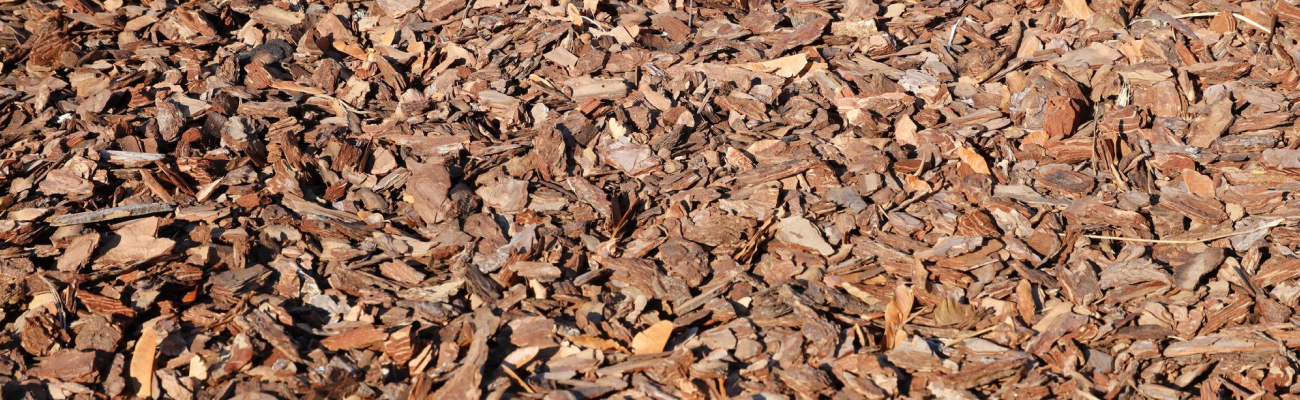
Mulch and Bark: Insulates plant roots, reduces soil erosion, and helps retain moisture during cold and dry periods.
Ice Melt Products: Eco-friendly ice melts improve safety without damaging plants, soil, or concrete surfaces.
Evergreen Trees and Shrubs: Provide year-round structure, color, and wind protection.
Landscape Fabric: Helps suppress weeds, stabilize soil, and protect planting beds during freeze–thaw cycles.
Decorative and Structural Rock: Enhances aesthetics while improving drainage and erosion control.
Using regionally appropriate materials improves durability and reduces seasonal maintenance demands.
How Colorado’s Seasons Impact Commercial Landscaping Plans
Colorado’s climate introduces unique challenges that must be factored into seasonal landscaping strategies.
Important considerations include:
Dry Winter Conditions: Despite cold temperatures, winter sunshine and wind increase evaporation, making occasional winter watering essential.
Rapid Temperature Swings: Sudden shifts between warm days and freezing nights can damage roots, crack hardscapes, and stress plants.
High Wind Exposure: Strong winds displace mulch, dry out foliage, and increase erosion risk.
Microclimates: South-facing slopes, shaded zones, and building-adjacent areas all behave differently and require tailored material and plant selection.
Landscaping plans that account for these factors are more resilient and cost-effective.
How to Prepare Your Commercial Site for Each Season
Preparation is the foundation of effective seasonal landscaping. For winter readiness, commercial properties should focus on:
Site Assessments: Identify drainage issues, vulnerable plants, and high-traffic zones.
Mulch Application: Apply protective mulch around trees and planting beds before the ground freezes.
Protective Coverings: Use burlap or frost cloths to shield sensitive plants during extreme cold.
Irrigation Winterization: Drain and protect irrigation systems to prevent freeze damage.
These steps help protect landscapes through winter while setting the stage for a smooth spring transition.
Keeping Commercial Landscaping Presentable in Winter
Winter landscapes don’t have to look neglected. With thoughtful planning, they can remain clean, safe, and visually intentional.
Effective strategies include:
Routine Clean-Ups: Remove debris, fallen branches, and windblown materials regularly.
Strategic Evergreen Placement: Use evergreens and structural elements as focal points.
Outdoor Lighting: Highlight landscape features and improve safety during shorter daylight hours.
Defined Edges and Hardscapes: Clean borders and walkways maintain a polished appearance even without foliage.
Consistency reinforces professionalism and visitor confidence.
Landscaping Materials Needed to Maintain Commercial Sites Year-Round
Year-round performance requires consistent use of foundational materials:
Soil Enhancers: Compost and conditioners improve soil structure and nutrient retention.
Weed Control Solutions: Landscape fabric and pre-emergent treatments maintain clean planting beds.
Seasonal Fertilizers: Support plant health during active growth periods.
Structural Aggregates: Maintain stability, drainage, and access throughout the year.
Reliable access to these materials simplifies seasonal transitions and long-term maintenance.
Educating Commercial Property Managers About Seasonal Landscaping Cycles
Education helps property managers make informed decisions and plan budgets effectively.
Best practices include:
Seasonal planning workshops
Maintenance calendars and digital guides
Regular supplier updates
Professional consultations for site-specific strategies
Well-informed managers are better equipped to protect property value and reduce long-term costs.
Ensuring Year-Round Maintenance of Landscaping Materials
Sustaining landscape quality requires ongoing material care:
Regular Inspections: Identify erosion, compaction, or plant stress early.
Preventive Maintenance: Pruning, fertilization, and drainage checks reduce seasonal damage.
Proper Storage: Protect mulch, soil, and aggregates from moisture and degradation.
Professional Support: Partnering with experienced suppliers ensures consistency and reliability.
Regional suppliers like Pillar Aggregates help commercial properties maintain access to dependable, season-ready landscaping materials.
Plan Smarter Seasonal Landscaping for Commercial Properties
Seasonal landscaping success starts with preparation and the right materials. From winter-ready aggregates to year-round landscape solutions, Pillar Aggregates supports commercial properties across Colorado with dependable supply and local expertise. Contact Pillar Aggregates today to source materials that keep your commercial landscape performing in every season.
Frequently Asked Questions (FAQs)
What are the biggest winter challenges for commercial landscapes?
Snow and ice management, plant stress, soil erosion, and reduced visual appeal are the most common challenges.
Why do commercial properties need different seasonal plans than residential sites?
Commercial properties face higher safety, liability, and appearance standards, requiring more frequent and professional maintenance.
Which materials are most important for winter commercial landscaping?
Mulch, ice melt products, evergreen plants, landscape fabric, and drainage aggregates are essential.
How does Colorado’s climate affect winter landscaping?
Dry air, wind exposure, and rapid temperature changes require specialized watering, protection, and material selection.
How can commercial landscapes stay attractive during winter?
Consistent clean-up, evergreen structure, lighting, and defined hardscapes help maintain a professional appearance.
Save More With Our Lower Prices. Contact Us Today.