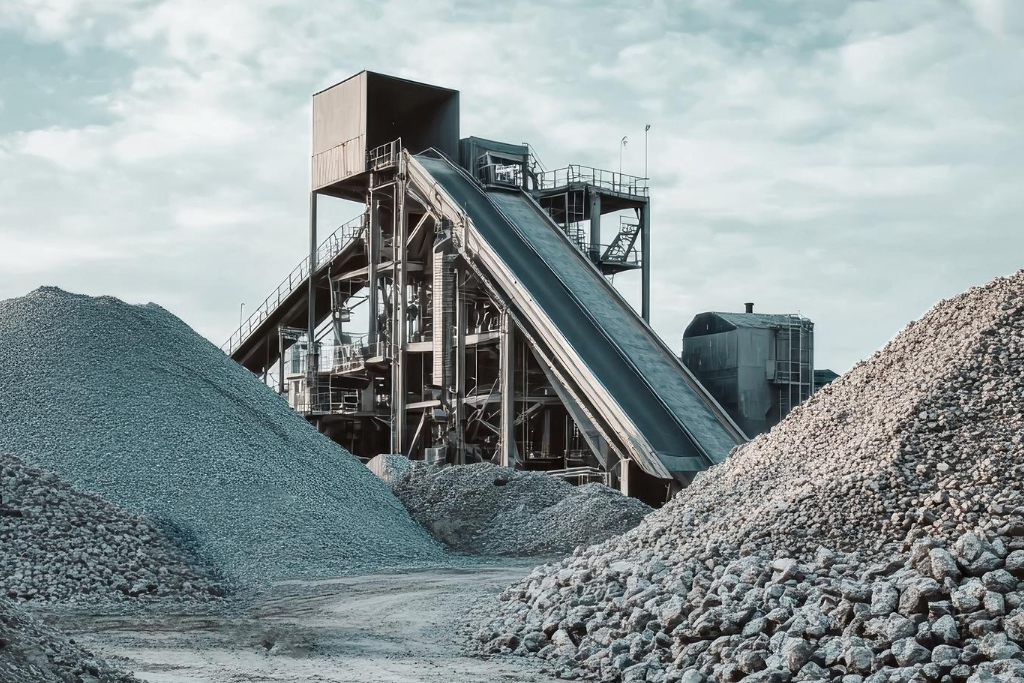
Industrial drainage failures can shut down operations, damage infrastructure, and create long-term compliance issues. From warehouse developments and manufacturing plants to distribution centers and commercial yards, proper aggregate selection plays a critical role in managing stormwater and groundwater effectively.
This guide explains which aggregates best solve industrial drainage challenges, how to size and install them correctly, and how commercial properties in and around Henderson can choose the right materials for long-term performance. If you’re sourcing landscaping materials Henderson contractors trust or evaluating commercial aggregates Henderson developers rely on, this article will help you make informed decisions.
Unlike residential drainage systems, industrial sites face:
Using the wrong aggregate can lead to clogged systems, standing water, erosion, and foundation damage. Proper drainage aggregates allow water to move freely while maintaining structural stability under heavy use.
Working with a reliable aggregate supply Henderson provider ensures materials meet engineering, performance, and durability standards.
Stone size directly affects drainage performance and system longevity.
Common industrial drainage stone sizes include:
Larger stone sizes create greater void space, improving water flow and reducing clogging. Most wholesale landscape supplier Henderson operations recommend clean, angular stone for industrial use.
Drainage rock prevents flooding by creating void spaces that allow water to move away from surfaces quickly. This helps reduce:
In industrial environments, drainage aggregates also provide load-bearing support while maintaining permeability—making them essential around parking areas, loading docks, and warehouse perimeters.
French drains are widely used in commercial and industrial settings.
The most effective aggregate for commercial French drains is:
This material offers:
Quality commercial aggregates Henderson suppliers ensure this material is properly washed and graded for drainage performance.
The amount of aggregate required depends on:
As a general estimate:
Because every industrial site is unique, accurate calculations should be based on engineering plans. A knowledgeable aggregate supply Henderson partner can assist with volume estimates and bulk delivery planning.
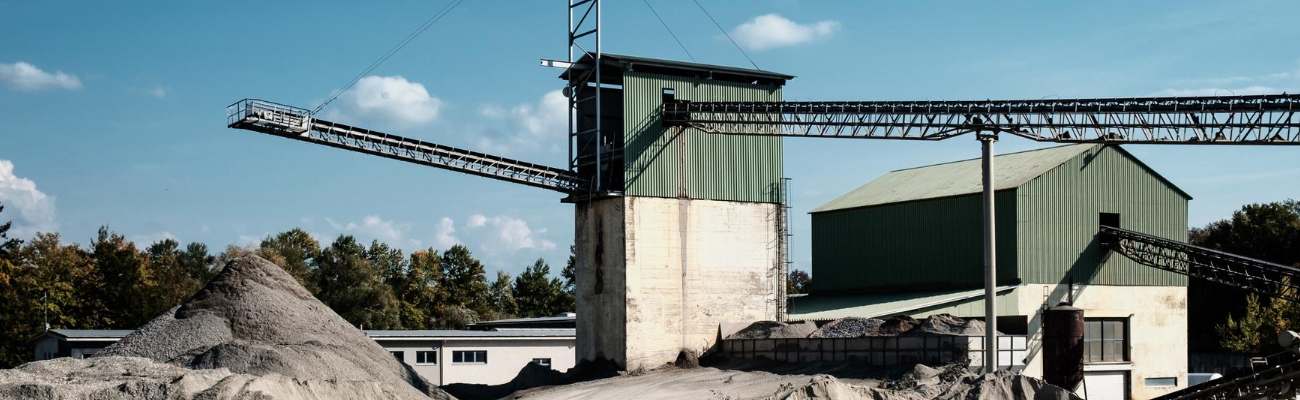
Yes, but only if it meets drainage-grade standards.
Suitable gravel must be:
Pea gravel or mixed gravel containing fines can significantly reduce permeability and cause long-term clogging. Industrial stormwater systems require engineered aggregates designed for consistent water flow and durability.
Permeability varies by aggregate size and cleanliness:
Higher permeability improves drainage speed and reduces pressure on foundations. This is why commercial aggregates Henderson projects almost always specify clean, washed materials.
A standard warehouse drainage installation includes:
Proper installation is just as important as aggregate quality. Incorrect layering or contaminated stone can compromise system performance.
Costs vary based on stone size, washing requirements, and delivery distance.
General cost considerations include:
Investing in higher-quality drainage aggregates often reduces long-term repair and replacement costs.
Yes, washing is essential for commercial and industrial drainage systems.
Washed aggregate:
Any wholesale landscape supplier Henderson serving industrial projects should provide certified clean drainage materials.
Properly installed drainage aggregate can last 50 years or more. Longevity depends on:
Clean, durable stone maintains permeability far longer than mixed or contaminated materials, making it a long-term investment for industrial facilities.
Southern Nevada’s soil conditions and storm patterns make effective drainage critical. Industrial facilities depend on:
Partnering with an experienced aggregate supply Henderson provider ensures consistent quality and project efficiency.
Effective drainage starts with the right materials. Pillar Aggregates supplies high-quality commercial and industrial drainage aggregates designed for long-term performance. Contact the team today to discuss your project requirements and secure dependable aggregate solutions for your site.
Clean ¾-inch crushed stone is the most widely used material for commercial drainage systems.
Yes, angular crushed stone offers superior stability and permeability.
In most industrial applications, fabric helps prevent soil migration and clogging.
Yes, when properly sized and installed beneath load-bearing surfaces.
Well-installed systems can last decades with minimal maintenance.
In some cases, clean, uncontaminated stone may be reused.
Yes, bulk delivery is commonly used for large-scale commercial and industrial sites.